Key Takeaways
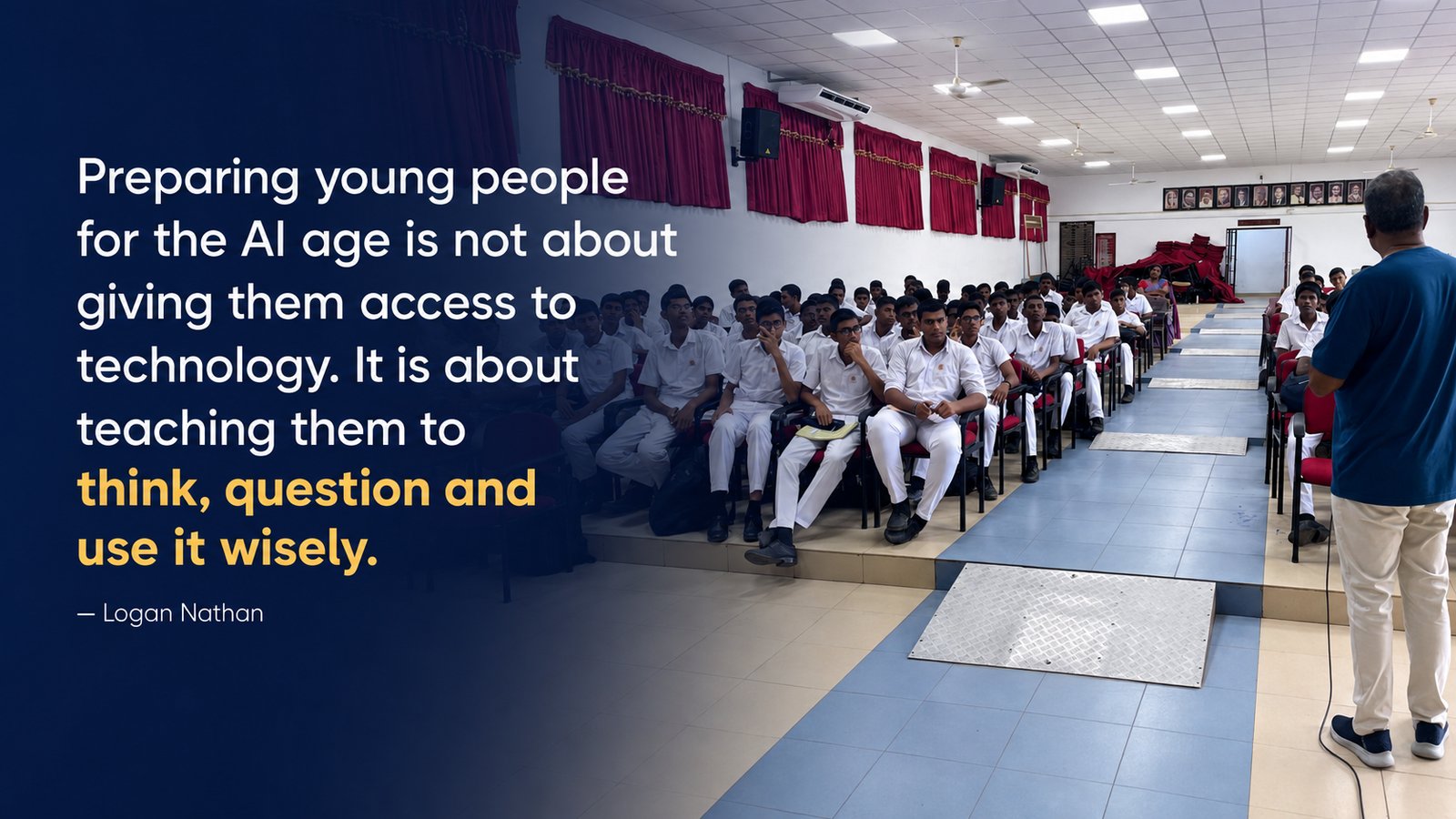
- Access to AI is no longer the primary issue; developing capability is critical.
- Schools must focus on embedding AI into curriculums to enhance critical thinking and human judgement.
- Educational systems should prepare students for real-world AI applications, not just tool usage.
- Teachers play a crucial role in fostering AI capability in students.
Key Answer
AI capability is now the primary challenge in education, not access. Schools must prioritise critical thinking and human judgement to effectively integrate AI, ensuring students are prepared for the future.
AI is no longer the mysterious beast it once was. In today’s world, access to AI tools is almost ubiquitous, but it’s become clear that access alone isn’t the hurdle–capability is. The current educational landscape offers a stark example of this, with institutions worldwide grappling with the best ways to integrate AI into curriculums effectively.
As we approach mid-2026, we see a remarkable shift from mere AI access towards genuine capability development. According to OpenAI research, ChatGPT’s role is evolving from a simple answer provider to a tool for task completion across various age groups. The UK business adoption rate of AI has also seen a significant rise, yet a mere 10% of businesses report extensive usage, largely due to a gap in workforce training.
The Global Shift in AI Education
In the realm of education, the move from access to capability is not just a trend–it’s a necessity. Schools are no longer content with simply having AI tools at their disposal. Instead, they are increasingly focused on embedding AI into their educational frameworks. This approach aligns with UNESCO’s guidelines, which emphasise human judgement, critical thinking, and the ability to discern fact from synthetic information as essential skills in the AI age.
Managed environments and privacy safeguards are becoming cornerstones of AI integration in schools. By protecting student data and ensuring that AI usage is age-appropriate, educators aim to create a safe space for exploration and learning. The ultimate goal is to teach students not just to use AI, but to question its outputs, verify sources, and develop their own reasoning.
| Aspect | Traditional Focus | Modern Focus |
|---|---|---|
| Access | Providing AI tools | Developing AI capability |
| Curriculum | AI as a subject | AI integrated across subjects |
| Skills | Basic technical skills | Critical thinking and judgement |
Why Capability Is Crucial in AI Education
Capability in AI is all about empowerment. It’s about giving students and teachers the tools they need not just to use AI, but to harness its potential fully. The distinction between access and capability is pivotal–having AI tools does not equate to understanding or effectively using them. This understanding is echoed by the recent increase in AI’s application within UK businesses, which have soared from 12% in 2023 to 35% in 2026, as noted by the UK Office for National Statistics (ONS).
The gap in workforce training highlights a crucial point: without the necessary skills, even the most advanced AI systems remain underutilised. This is where education systems can make a significant impact, by preparing students with a mindset that embraces continuous learning and adaptability.
Expert Perspective
Global Education Strategist
In my experience as an education strategist, the transition from access to capability in AI education is pivotal. It’s not enough to have AI tools; we must equip both students and educators with the skills to use them effectively, encouraging critical thought and ethical awareness.
Preparing Schools for an AI-Driven Future
To truly become future-ready, schools must invest in developing a curriculum that places capability at its core. This involves more than just teaching students how to operate AI tools; it’s about fostering an environment where critical thinking, ethical considerations, and creative problem-solving are at the forefront.
The educational strategy should pivot towards real-world applications of AI, allowing students to explore problems and devise solutions using AI as a tool, rather than a crutch. As noted in the piece Why AI is Revolutionising the Workforce, the integration of AI should enhance–not replace–human creativity and decision-making.
This change will require a collaborative effort between policymakers, educators, and technologists, ensuring that curricula are not only current but also forward-thinking. By aligning with frameworks like the OECD’s Skills in the AI Age, educational institutions can lead the charge in preparing students for the complexities of the AI-driven workforce.
Balancing Technology and Human Skills
While the allure of AI can be strong, it’s imperative to balance technological integration with the development of core human skills. Schools must strive to cultivate environments where AI complements human abilities rather than overshadowing them. This balance is critical to developing well-rounded individuals who are prepared to face an AI-driven world.
AI should be seen as a tool that augments learning, not as a replacement for the fundamental human skills of judgement, creativity, and ethical reasoning. By fostering these skills, schools can better prepare students to navigate the challenges and opportunities that AI presents. As explored in Leadership – Logan Nathan, true leadership in the AI age will depend on these very capabilities.
An educational paradigm shift is necessary, moving from the traditional focus on rote learning and memorisation to one that prioritises critical inquiry and ethical considerations. This shift will not only prepare students for future careers but also equip them to contribute positively to society in an AI-dominated landscape.
The Role of Teachers in Developing AI Capability
Teachers play a pivotal role in this transformation. Their ability to guide students in exploring AI technologies safely and responsibly is paramount. As highlighted by UNESCO, equipping teachers with the right tools and training is essential in fostering an environment where AI is used responsibly and effectively.
Professional development programs are critical in this regard, ensuring that teachers are not only comfortable with AI technologies but are also skilled in teaching them. This includes training on privacy, data security, and the ethical implications of AI, ensuring educators are well-versed in guiding students through the complexities of AI usage.
This focus on capability development aligns with the European Commission’s AI Literacy Guidance, emphasising the need for a comprehensive educational approach that includes teachers as both learners and facilitators. The goal is to ensure that educators are prepared to lead by example, demonstrating the responsible use of AI and fostering critical thinking among students.
Future Ready: Small Steps, Big Dreams
As we look to the future, it’s clear that small steps in developing AI capability can lead to big dreams. This philosophy underpins initiatives like FUTURE READY™ — Small Steps. Big Dreams, which aims to equip students with the skills they need to thrive in an AI-driven world.
Launching in October 2026, this initiative will be accessible in English, Sinhala, and Tamil, ensuring a broad reach and accessibility. The focus is on incremental progress–taking manageable steps that build a strong foundation of capability, leading to significant outcomes.
By prioritising capability over access, schools are setting the stage for a more dynamic and adaptable educational landscape. The emphasis is on preparing students for the unknown, equipping them with the skills and mindset necessary to navigate an AI-driven future with confidence and competence.
Next Steps: Building a Sustainable AI Education Model
The journey towards a capable AI-literate education system is ongoing, and the next steps involve building a sustainable model that can adapt as technology evolves. This requires collaboration between educational institutions, governments, and industry leaders to create frameworks that support continuous learning and adaptation.
Strategic partnerships with technology companies can provide schools with access to cutting-edge AI tools and training, while policy-driven initiatives can ensure that educational standards remain relevant and forward-looking. As AI continues to transform the global landscape, an adaptive education system will be crucial in maintaining a competitive edge.
Schools must continue to evolve, embracing the dual challenge of integrating AI technology and nurturing human capability. By focusing on these dual objectives, the education system can produce graduates who are not only technologically adept but also equipped with the critical thinking and ethical reasoning skills necessary to lead in an AI-driven world.
Human Judgement at the Forefront of AI Education
As AI permeates every aspect of our lives, maintaining a focus on human judgement and ethical considerations becomes increasingly important. By prioritising these elements, schools can ensure that students are not only tech-savvy but also prepared to engage with AI technologies in a responsible and thoughtful manner.
Human judgement is essential in evaluating AI outputs and understanding their implications. It requires a curriculum that encourages students to question, critique, and synthesise information, fostering a mindset of lifelong learning and adaptability.
By embedding these principles into education systems, we can ensure that future generations are well-equipped to navigate the complexities of an AI-driven world, making informed decisions and contributing to society in meaningful ways.
Frequently Asked Questions
Capability ensures that students can effectively use AI tools by fostering critical thinking and ethical reasoning, whereas access alone does not guarantee understanding or effective use.
Schools can prepare by integrating AI into curriculums, focusing on skills such as critical thinking, and ensuring teachers are equipped to guide students in using AI responsibly.
Teachers are essential in guiding students to explore AI technologies safely, fostering environments where AI is used responsibly and effectively, and integrating ethical considerations into lessons.
AI shifts the educational focus from rote learning to critical inquiry and problem-solving, preparing students to navigate an AI-driven world with adaptability and critical skills.
UNESCO advocates for a balanced integration of AI in education, focusing on human judgement, critical thinking, and the ability to distinguish fact from synthetic information.